Introduction
In the fast-paced world of business, the temptation to handle every task personally can be overwhelming. However, learning to delegate and implement systems can significantly enhance your company's efficiency. In this article, we explore the hidden power of systems and how they can help your business run better when you don’t take on every responsibility yourself.
Understanding the Role of Systems in Business
Systems refer to the processes and structures that allow organizations to operate smoothly and effectively. By establishing clear systems, businesses can achieve a level of consistency and predictability that is crucial for long-term success. Implementing these systems means that individual tasks are managed cohesively, leading to improved productivity.
When employees understand their roles within established systems, they can work autonomously and take ownership of their responsibilities. This empowerment reduces the need for constant oversight and frees up your time to focus on strategic initiatives. Delegation becomes pivotal; consequently, running a business doesn’t have to mean being trapped in every detail. The hidden power of systems lies in maximizing both individual and collective efforts.
Benefits of Not Doing Everything Yourself
Fostering a culture that encourages delegation and the effective use of systems presents numerous advantages. Firstly, it dramatically increases efficiency. When tasks are structured, employees can handle their work more effectively, leading to quicker completion of projects.
Secondly, this approach supports innovation. When business leaders step back, they create a space for new ideas and methods to emerge. Team members are likely to express diverse perspectives and creative solutions when given the freedom to act autonomously.
Moreover, by not overextending yourself, you preserve your energy and focus for critical decision-making and strategic planning. Ultimately, this level of delegation enhances morale and job satisfaction, as employees feel valued and trusted in their roles.
Practical Steps to Implement Effective Systems
To harness the hidden power of systems within your business, start by identifying areas where processes can be streamlined. Begin with clear documentation of each task and establish protocols to guide employees in their work.
Next, invest in training programs to ensure everyone understands the systems in place and how to utilize them effectively. Regularly reviewing and adjusting these systems based on feedback will also ensure they remain relevant and efficient.
Finally, embrace technology as a tool for enhancement. Utilizing software that supports task management and communication fosters collaborative efforts and ensures that you're not managing every detail. By integrating systems, you can facilitate better workflow and ease the burdens you may carry.
Conclusion
In conclusion, the hidden power of systems in business cannot be underestimated. By embracing a framework that supports delegation and collaboration, you can enhance your operational efficiency and create a more effective business model. Remember, your business runs better when you don’t do everything yourself, so empower your team, leverage systems, and watch as productivity soars.
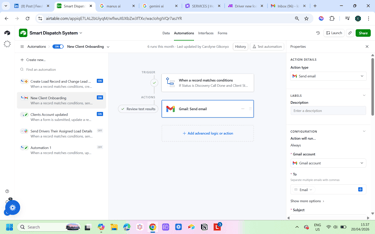
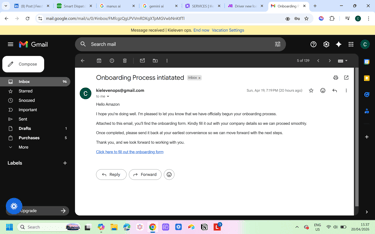
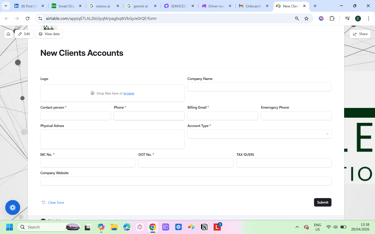
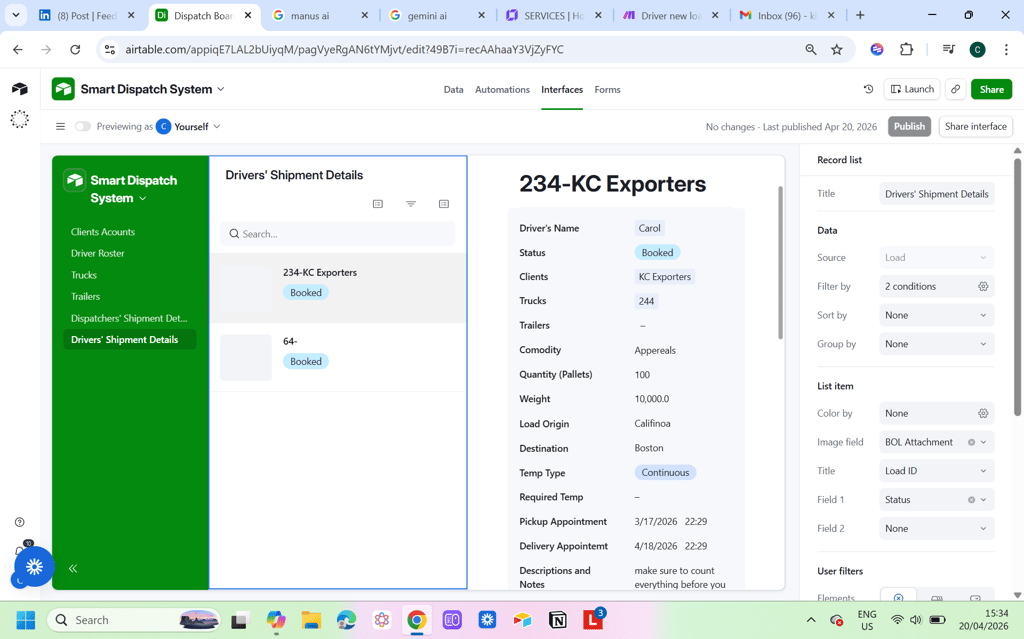
I built this end-to-end automation to ensure that no client data is ever lost or manually re-entered. By connecting Email, Custom Forms, and Airtable, I’ve created a 'single source of truth' that allows our team to move from first contact to project kickoff with 0% manual data entry.